Buy pudkarpatskarus.eu ?
We are moving the project
pudkarpatskarus.eu .
Are you interested in purchasing the domain
pudkarpatskarus.eu ?
domain@kv-gmbh.de · 0541-91531010
Buy pudkarpatskarus.eu ?
Why is the unit called kWh and not kWh?
The unit is called kWh and not kW/h because it represents the amount of energy consumed over a period of time, not the rate of energy consumption. The "k" stands for kilo, which represents a unit of 1000, and "Wh" stands for watt-hour, which is a measure of energy. Therefore, kWh represents 1000 watt-hours of energy consumed over a period of time, typically an hour. **
How can one convert kWh per year to kWh per kilometer?
To convert kWh per year to kWh per kilometer, you would first need to know the average distance traveled in kilometers per year. Then, you would divide the total kWh consumed in a year by the total kilometers traveled in that year. This would give you the kWh per kilometer. This conversion can be useful in determining the energy efficiency of a vehicle or appliance over a specific distance traveled. **


Similar search terms for KWh
Top-Angebote
Products related to KWh:
-
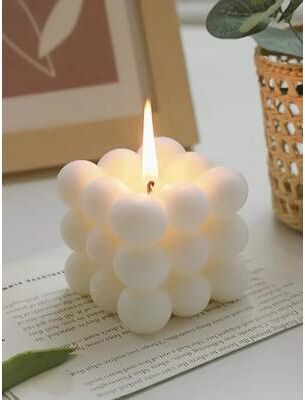
On Spot Shop Handmade Creative Ball Shaped Soy Wax Magic Cube Aromatherapy Candle, Luxury Wedding Favor Gift & Unique Decorative Handmade Creative Ball Shaped Soy Wax Magic Cube Aromatherapy Candle, Luxury Wedding Favor Gift & Unique DecorativeElevate Any Space with a Creative Touch Add instant charm and sophistication to your home or event with the Creative BallShaped Soy Wax Magic Cube Aromatherapy Candle. Designed with artistic flair, this candle doubles as both a soothing aromatherapy...21,97 $*Shipping: 0,00 $Secure redirect to the provider
-
Inspire Essentials Artisan Resin Candle Holder Decorative Home Accent Artisan Resin Candle Holder Decorative Home AccentCreate a warm, inviting atmosphere with this beautifully crafted resin candle holder designed to elevate any space. Whether styled on a dining table, bookshelf, or garden nook, this elegant decorative candle holder adds charm and character in...42,48 $*Shipping: 0,00 $Secure redirect to the provider



-
How is kWh calculated?
kWh (kilowatt-hour) is a unit of measurement used to quantify the amount of energy consumed over a period of time. It is calculated by multiplying the power consumption in kilowatts by the time in hours for which the power is consumed. For example, if a device has a power consumption of 1 kilowatt and is used for 10 hours, the energy consumption would be 10 kWh. This measurement is commonly used by utility companies to bill customers for their electricity usage. **
-
Why should one save kWh?
Saving kWh is important because it helps reduce energy consumption, which in turn lowers utility bills and reduces the demand for fossil fuels. By using energy more efficiently, we can help combat climate change and reduce our carbon footprint. Additionally, saving kWh helps to conserve natural resources and promotes a more sustainable way of living for future generations. **
-
What are kWh and J?
kWh stands for kilowatt-hour, which is a unit of energy equivalent to one kilowatt of power used for one hour. It is commonly used to measure electricity consumption. J stands for joule, which is the SI unit of energy. One joule is equal to the work done by a force of one newton acting over a distance of one meter. Both kWh and J are used to quantify energy consumption and production in various fields. **
-
Is 300 kWh a lot?
It depends on the context. 300 kWh could be considered a lot for a single household's monthly electricity usage, especially if the household is energy-efficient. However, for a large commercial building or industrial facility, 300 kWh might be a relatively small amount of electricity usage. It's important to consider the specific circumstances and energy needs when determining whether 300 kWh is a lot. **


How much kWh does a solar system with a capacity of 5000 kWh produce?
A solar system with a capacity of 5000 kWh can produce 5000 kWh of electricity under optimal conditions. However, the actual amount of electricity produced will depend on factors such as the location, weather, and efficiency of the solar panels. Generally, a 5000 kWh solar system can meet the electricity needs of an average household for a year. **
Why are kW and kWh used?
kW (kilowatts) and kWh (kilowatt-hours) are used to measure electricity consumption and power generation. kW is a unit of power, representing the rate at which energy is consumed or generated at a given moment. kWh, on the other hand, is a unit of energy, representing the total amount of energy consumed or generated over a period of time. These units are important for understanding and managing energy usage, as well as for billing purposes in the electricity industry. **
Top-Angebote
Products related to KWh:
-
Fabdivine Alia Handcrafted Cotton Throw - Traditional Block Print, Ethnic Living Room Accent,Handwoven Decorative Blanket, 90x54The Alia Handcrafted Cotton Throw Blanket is a premium artisan textile that blends traditional block printing, handwoven craftsmanship, and ethnic-inspired design.124,99 $*Shipping: 0,00 $Secure redirect to the provider
-
Sagebrook Home Clay Handmade Decorative Vase Textured and Sculptural Artisan DesignInfuse your home with rustic elegance using this handcrafted clay and pottery vase set, perfect for adding character to your living room, bedroom, office, or any favorite nook in your home.158,49 $*Shipping: 0,00 $Secure redirect to the provider
-
On Spot Shop Handmade Creative Ball Shaped Soy Wax Magic Cube Aromatherapy Candle, Luxury Wedding Favor Gift & Unique Decorative Handmade Creative Ball Shaped Soy Wax Magic Cube Aromatherapy Candle, Luxury Wedding Favor Gift & Unique DecorativeElevate Any Space with a Creative Touch Add instant charm and sophistication to your home or event with the Creative BallShaped Soy Wax Magic Cube Aromatherapy Candle. Designed with artistic flair, this candle doubles as both a soothing aromatherapy...21,97 $*Shipping: 0,00 $Secure redirect to the provider
-
Why is the unit called kWh and not kWh?
The unit is called kWh and not kW/h because it represents the amount of energy consumed over a period of time, not the rate of energy consumption. The "k" stands for kilo, which represents a unit of 1000, and "Wh" stands for watt-hour, which is a measure of energy. Therefore, kWh represents 1000 watt-hours of energy consumed over a period of time, typically an hour. **
-
How can one convert kWh per year to kWh per kilometer?
To convert kWh per year to kWh per kilometer, you would first need to know the average distance traveled in kilometers per year. Then, you would divide the total kWh consumed in a year by the total kilometers traveled in that year. This would give you the kWh per kilometer. This conversion can be useful in determining the energy efficiency of a vehicle or appliance over a specific distance traveled. **
-
How is kWh calculated?
kWh (kilowatt-hour) is a unit of measurement used to quantify the amount of energy consumed over a period of time. It is calculated by multiplying the power consumption in kilowatts by the time in hours for which the power is consumed. For example, if a device has a power consumption of 1 kilowatt and is used for 10 hours, the energy consumption would be 10 kWh. This measurement is commonly used by utility companies to bill customers for their electricity usage. **
-
Why should one save kWh?
Saving kWh is important because it helps reduce energy consumption, which in turn lowers utility bills and reduces the demand for fossil fuels. By using energy more efficiently, we can help combat climate change and reduce our carbon footprint. Additionally, saving kWh helps to conserve natural resources and promotes a more sustainable way of living for future generations. **
Similar search terms for KWh
-
Inspire Essentials Artisan Resin Candle Holder Decorative Home Accent Artisan Resin Candle Holder Decorative Home AccentCreate a warm, inviting atmosphere with this beautifully crafted resin candle holder designed to elevate any space. Whether styled on a dining table, bookshelf, or garden nook, this elegant decorative candle holder adds charm and character in...42,48 $*Shipping: 0,00 $Secure redirect to the provider
-
ARCILLA ELEMENTAL Blue Ceramic Ombre Decorative Vase with Unique TexturingIt can be used as a centerpiece or to hold fresh flowers for an added pop of color. Designed with felt or rubber stoppers at the base that prevent scratching furniture and table tops, as well as sliding around. This item ships in 1 carton.81,99 $*Shipping: 0,00 $Secure redirect to the provider
-
What are kWh and J?
kWh stands for kilowatt-hour, which is a unit of energy equivalent to one kilowatt of power used for one hour. It is commonly used to measure electricity consumption. J stands for joule, which is the SI unit of energy. One joule is equal to the work done by a force of one newton acting over a distance of one meter. Both kWh and J are used to quantify energy consumption and production in various fields. **
-
Is 300 kWh a lot?
It depends on the context. 300 kWh could be considered a lot for a single household's monthly electricity usage, especially if the household is energy-efficient. However, for a large commercial building or industrial facility, 300 kWh might be a relatively small amount of electricity usage. It's important to consider the specific circumstances and energy needs when determining whether 300 kWh is a lot. **
-
How much kWh does a solar system with a capacity of 5000 kWh produce?
A solar system with a capacity of 5000 kWh can produce 5000 kWh of electricity under optimal conditions. However, the actual amount of electricity produced will depend on factors such as the location, weather, and efficiency of the solar panels. Generally, a 5000 kWh solar system can meet the electricity needs of an average household for a year. **
-
Why are kW and kWh used?
kW (kilowatts) and kWh (kilowatt-hours) are used to measure electricity consumption and power generation. kW is a unit of power, representing the rate at which energy is consumed or generated at a given moment. kWh, on the other hand, is a unit of energy, representing the total amount of energy consumed or generated over a period of time. These units are important for understanding and managing energy usage, as well as for billing purposes in the electricity industry. **
* All prices are inclusive of VAT and, if applicable, plus shipping costs. The offer information is based on the details provided by the respective shop and is updated through automated processes. Real-time updates do not occur, so deviations can occur in individual cases. ** Note: Parts of this content were created by AI.